

Laparoscopic Gastrointestinal Cancer Surgery
Laparoscopic Gastrointestinal Cancer Surgery in Puducherry
Advanced Minimally Invasive Surgical Care for GI Cancers
Gastrointestinal (GI) cancers involve malignancies affecting the esophagus, stomach, small intestine, colon, rectum, and related digestive organs. Surgical treatment plays a critical role in managing these cancers, either as a curative procedure or as part of a comprehensive treatment plan.
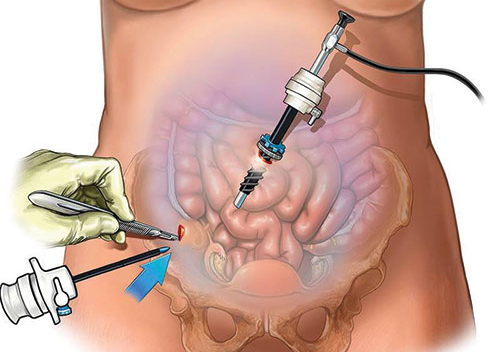
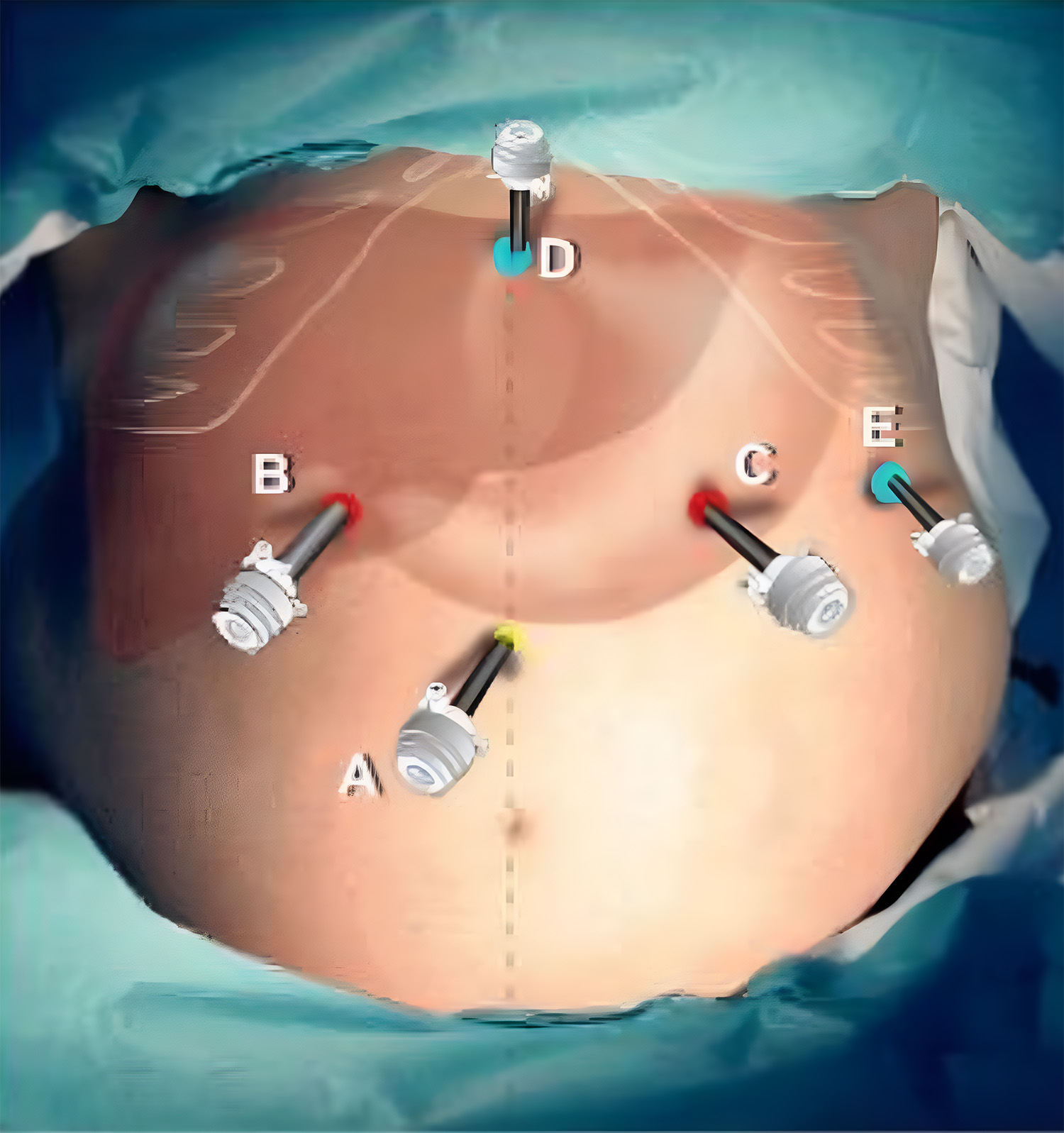
Laparoscopic gastrointestinal cancer surgery uses minimally invasive techniques to remove cancerous tissue with precision, while minimizing surgical trauma and supporting faster recovery when compared to traditional open surgery.
Understanding Gastrointestinal Cancers
Gastrointestinal cancers develop in different parts of the digestive tract and may vary in behavior, treatment approach, and outcomes. Early diagnosis and proper staging are essential to determine the most effective surgical strategy.
Common GI cancers managed surgically include:
Each condition requires individualized evaluation and carefully planned surgical intervention.
Symptoms That Should Not Be Ignored
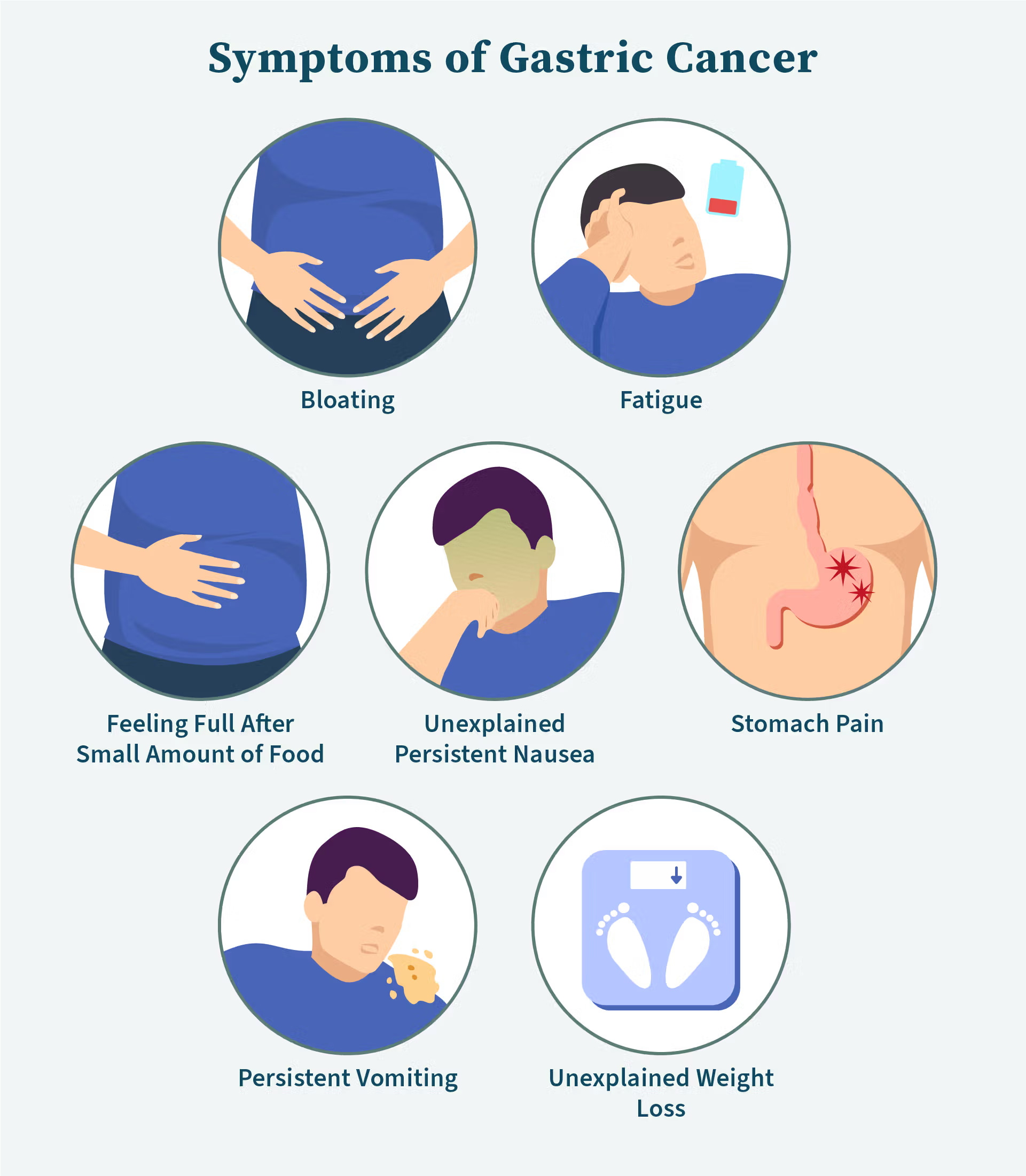
Symptoms of GI cancers can be subtle in the early stages and may overlap with common digestive complaints. Medical evaluation is recommended if you experience:
Early assessment improves treatment options and outcomes.
Why Surgery Is Central to GI Cancer Treatment
Surgery remains the primary treatment for many gastrointestinal cancers, especially when the disease is localized or potentially curable.
Delaying surgical evaluation may result in:
Timely surgical intervention allows for accurate cancer removal and pathological assessment, which guides further treatment such as chemotherapy or radiation when required.
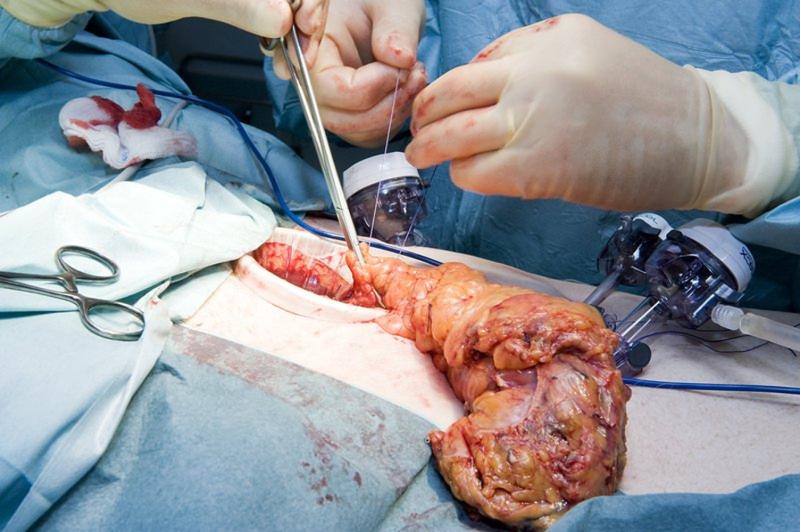
Why Laparoscopic GI Cancer Surgery Is Preferred
Minimally invasive surgery has become an important advancement in cancer care for selected patients.
Benefits of the Laparoscopic Approach
The suitability of laparoscopic surgery depends on tumor location, stage, and patient factors.
How GI Cancer Surgery Is Planned
Cancer surgery requires meticulous planning and multidisciplinary evaluation.
Pre-Surgical Assessment Includes
Based on these findings, the safest and most effective surgical approach is chosen.

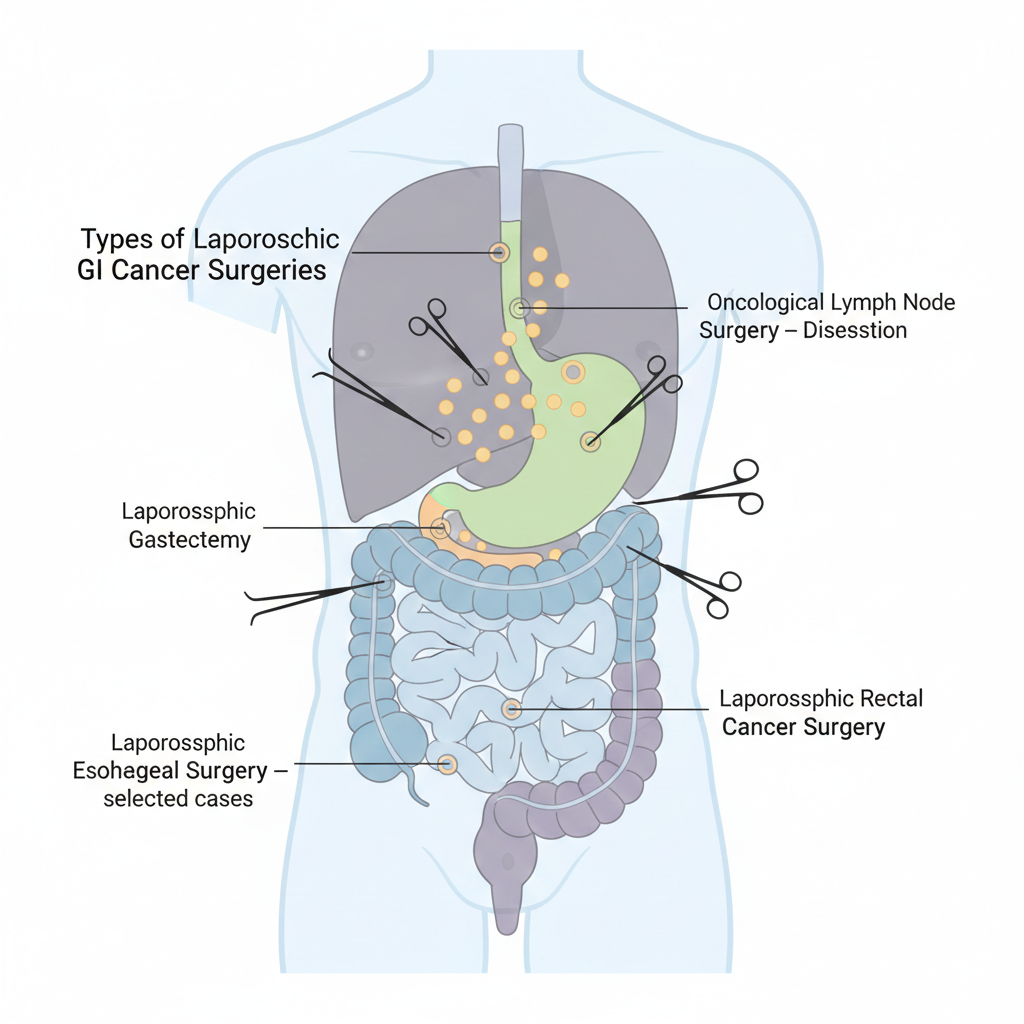
Types of Laparoscopic GI Cancer Surgeries Performed
Depending on the cancer type and location, surgical procedures may include:
All procedures follow standard cancer surgery guidelines to ensure oncological safety.
Recovery & Life After Cancer Surgery
Post-Surgery Recovery
After Surgery
Further treatment such as chemotherapy or radiation may be advised based on:
Long-term follow-up is essential for monitoring recovery and disease control.

Our Approach to Gastrointestinal Cancer Surgery
Cancer care requires more than technical expertise. Our approach emphasizes:
Each treatment plan is personalized, respecting both medical needs and patient concerns.

Preparing for Your Consultation
To ensure a meaningful consultation:
This allows for accurate assessment and treatment planning.